French Quarter homes built in the 1700s and 1800s sit on narrow lots with brick and timber construction that traps moisture after heavy rains. Narrow streets such as Royal and Chartres limit equipment access, so crews often carry containment barriers and negative-air machines by hand from service trucks parked on Decatur or Canal. Frequent subtropical humidity combined with hurricane-driven flooding raises mold risk in ground-floor spaces and courtyards behind the main buildings.
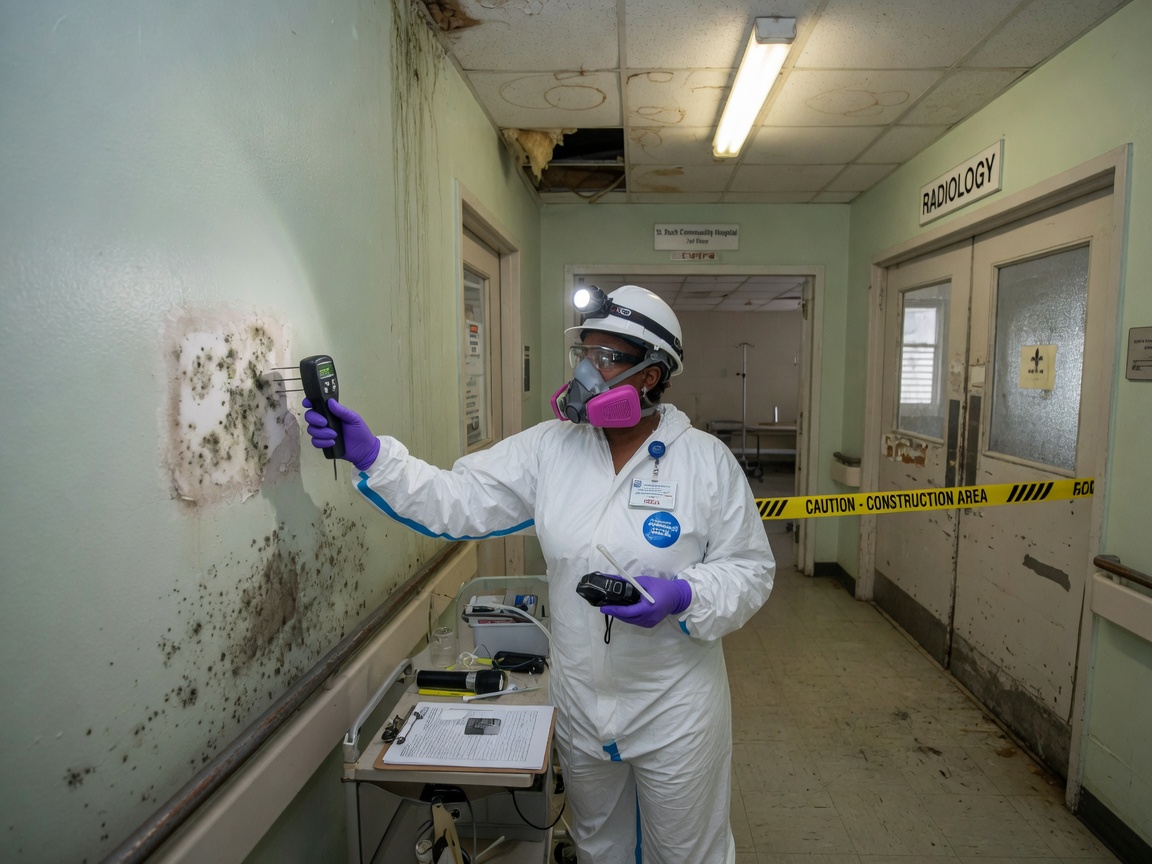
Mold remediation crews start with moisture mapping along shared walls and attic spaces common in these blocks. They remove affected plaster or wood lath, then apply antimicrobial treatments before drying with dehumidifiers sized for the tight floor plans. Work is scheduled around pedestrian traffic and horse-drawn carriage routes to keep disruption low for residents and businesses operating daily on Bourbon and Conti.
Service calls also cover adjacent blocks in the Marigny and Treme where similar aged housing stock meets the same drainage challenges from the Mississippi River levees.
Around French Quarter
We regularly work near:
- 📍Jackson Square
- 📍St. Louis Cathedral
- 📍Bourbon Street
- 📍Royal Street
- 📍French Market
- 📍Decatur Street
Mold Removal in French Quarter — Local Notes
- •Narrow one-way streets and limited curb space require smaller containment setups and hand-carried equipment to reach interior courtyards without blocking traffic.
- •Many structures rest on brick piers with crawl spaces that collect water after storms, so inspection focuses on these low areas before wall cavities are opened.
- •Shared masonry walls between adjacent buildings allow mold to travel laterally, requiring coordinated access agreements with neighboring owners.
- •High tourist foot traffic on Bourbon and Royal means scheduling noisy drying equipment outside peak evening hours.