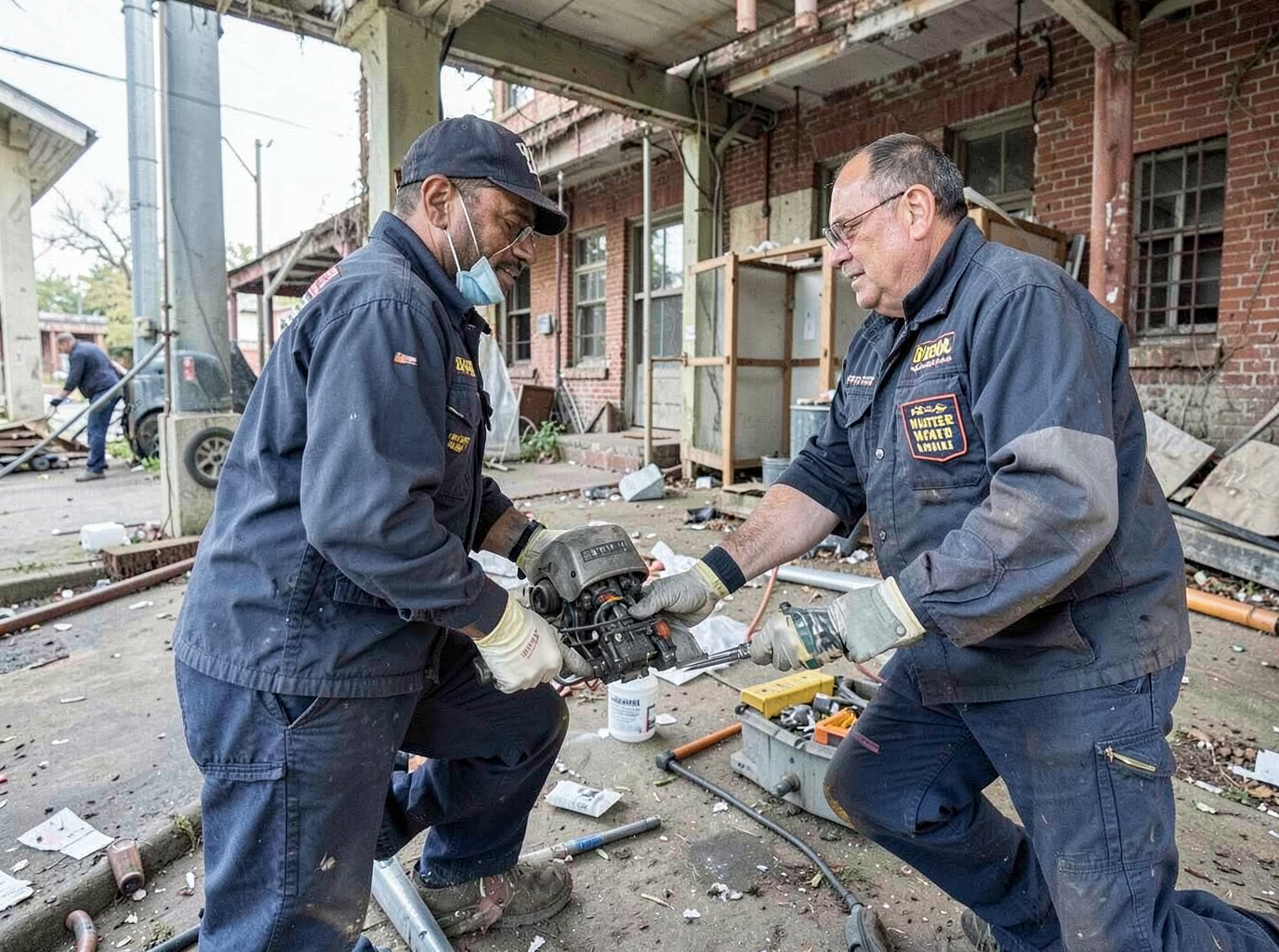
Mid-City homes built before 1950 line streets like Bienville and North Carrollton with raised shotgun and Creole cottages that trap moisture behind plaster and beadboard. Frequent afternoon storms and high humidity push water into attics and wall cavities, especially after roof leaks around the Fair Grounds. New Orleans Mold Removal crews reach these blocks quickly from the 6726 Theall Rd base and focus on contained removal before spores spread through the open floor plans common here.
Drainage along Bayou St. John and the Lafitte Greenway corridor stays slow even on normal rain days, so slab edges and pier foundations stay damp for days. Homeowners near Delgado Community College and the old Charity Hospital site often find hidden growth after power outages leave AC units off during summer peaks. Service calls start with moisture mapping along these specific corridors before any drywall is opened.
Access to Mid-City lots can be tight between neighboring shotgun houses and narrow driveways, so equipment stays compact and work stays quiet to avoid disturbing neighbors on streets like Dumaine and St. Philip.
Around Mid-City
We regularly work near:
- 📍City Park
- 📍Bayou St. John
- 📍Lafitte Greenway
- 📍Fair Grounds Race Course
- 📍Delgado Community College
Mold Removal in Mid-City — Local Notes
- •Shotgun houses from the 1920s in Mid-City have single-wall construction that lets humidity move straight through studs, so removal often requires full cavity cleaning rather than surface treatment.
- •Properties bordering City Park and the Fair Grounds sit on lower ground where storm water pools against foundations, pushing mold into subfloor insulation after every named storm.
- •Narrow side setbacks between homes on North Rampart and Galvez limit equipment staging, requiring crews to work from the street and use smaller HEPA units.
- •Older plaster walls common along Esplanade Ridge hold water longer than drywall, so drying times stretch and containment must run the full length of interior hallways.