2026-10-13 ·
How to Inspect for Hidden Mold After Summer Storms in New Orleans
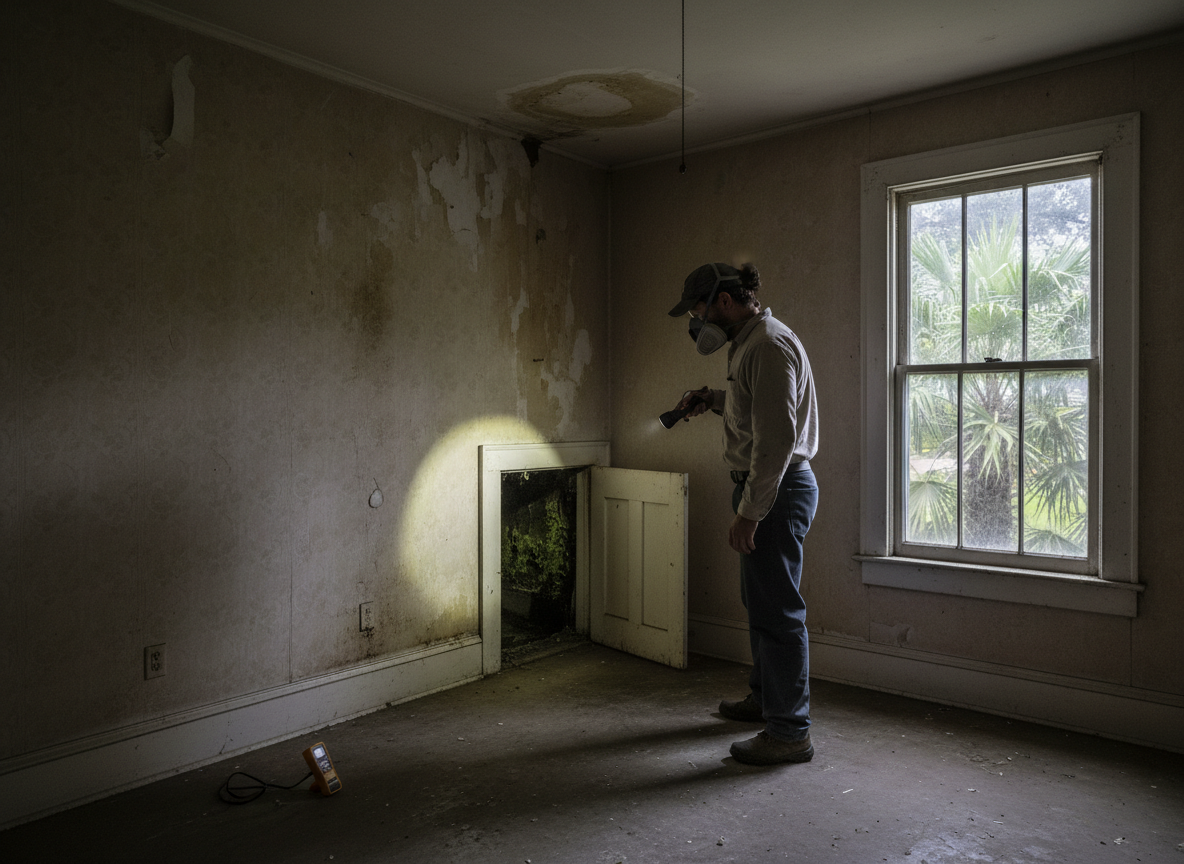
After summer storms hit New Orleans, begin inspecting for hidden mold within 48 hours by checking attics, crawlspaces and wall cavities in Orleans Parish homes, where humid subtropical air and frequent hurricanes drive rapid growth behind surfaces. Older housing stock in areas like the French Quarter and Garden District often features raised foundations and plaster walls that trap moisture from wind-driven rain, making visual and olfactory checks essential before odors spread to living spaces.
Examine Attics and Roof Penetrations First
Start attic inspections by looking for water stains around chimneys, vents and skylights, which commonly leak after heavy rain in New Orleans. Use a bright flashlight to scan insulation for discoloration or matted areas, especially in homes near City Park or Lakeview where tree debris can clog gutters and force water under shingles. Feel for soft decking boards and note any musty smells that intensify in the humid air typical after August storms. Check soffit vents for blocked airflow that keeps moisture trapped against rafters in historic properties. Document findings with photos before moving to lower levels, since attic mold often migrates downward through ceiling penetrations in Mid-City and Gentilly bungalows.
Probe Walls and Ceilings in Living Areas
Move through interior spaces and tap plaster or drywall surfaces with a rubber mallet to detect soft spots behind baseboards and around window frames, common entry points for storm-driven moisture in Bywater and Marigny shotguns. Lift corners of area rugs and inspect under sinks and behind appliances where condensation mixes with flood residue. In Uptown and Treme homes with high ceilings, use a moisture meter on north-facing walls that stay shaded and retain dampness longest after hurricanes. Pay attention to HVAC registers that can distribute spores if condensate lines clogged during power outages. These checks reveal hidden colonies before they affect air quality throughout Algiers and surrounding parishes.
Assess Crawlspaces and Foundation Vents
Crawlspace inspections require checking soil moisture levels and pier supports for efflorescence or wood rot, particularly in raised homes across Gentilly and Lakeview where poor drainage allows water to pool after storms. Look for standing water or damp insulation sagging between joists, conditions worsened by the region's high water table and frequent tidal surges near the Mississippi. Ensure foundation vents remain clear of debris so air can circulate and reduce humidity that fuels growth in older brick piers. Note any odors rising through floor registers that indicate mold below living areas in Garden District Victorians. These steps help differentiate surface issues from structural problems that may require professional assessment.
For deeper concerns in residential properties, review Residential Mold Removal and Black Mold Removal details. Additional guidance appears in What Affects Mold Removal Costs in Historic New Orleans Properties and Preparing Uptown Homes for Mold Prevention Before Hurricane Season.